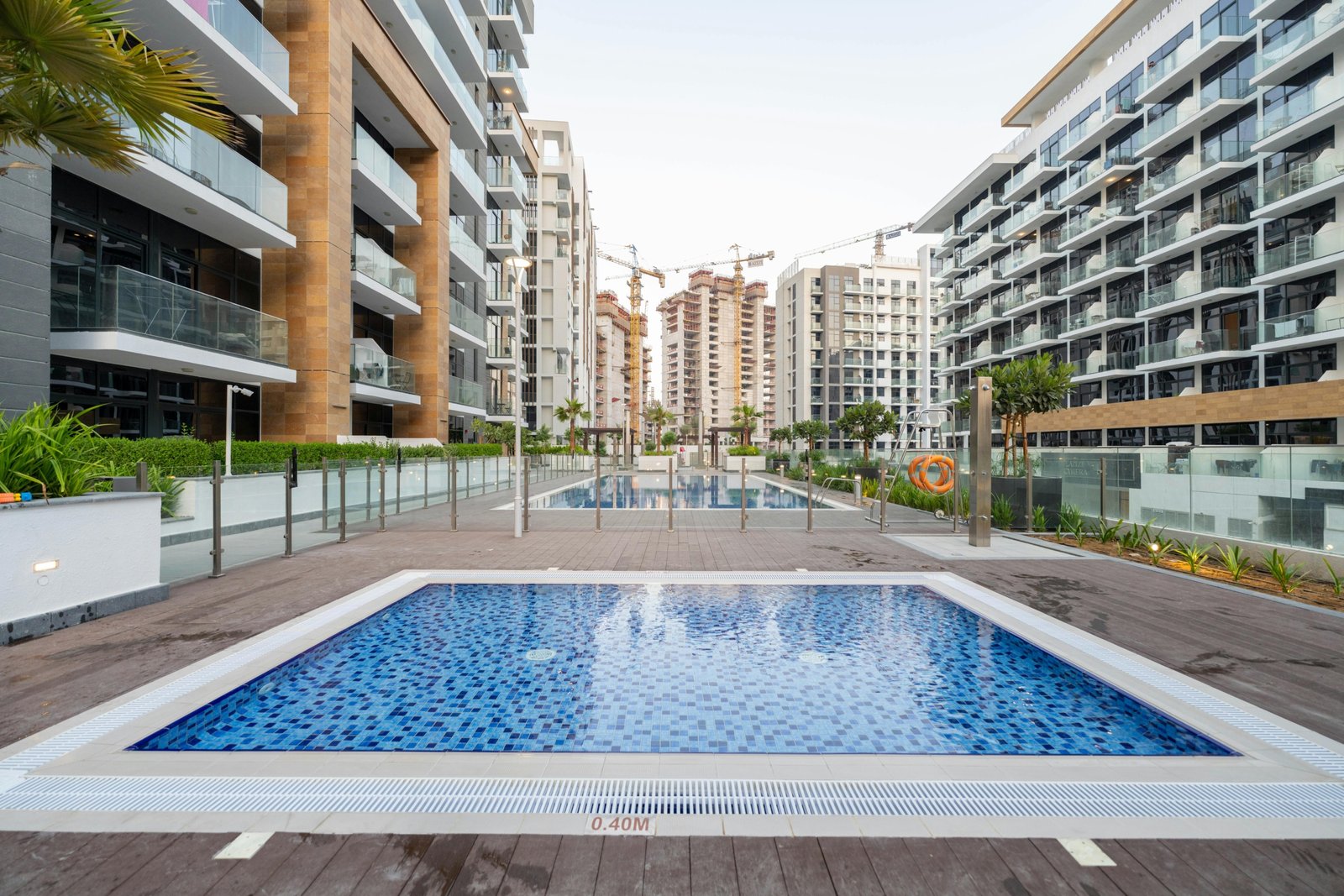
Off-plan vs ready property in Dubai 2026 is one of the most important strategic decisions investors face when entering the market. While both segments offer attractive opportunities, they operate under very different risk, financing, and return dynamics.
Dubai’s property cycle has matured significantly. Investors are no longer choosing between off-plan and ready units based solely on affordability or developer incentives. Instead, they are evaluating how each option fits into broader portfolio objectives, cash flow requirements, and time horizons.
Understanding the trade-offs between these two asset types is essential to avoid misaligned expectations. This article examines five strategic considerations shaping off-plan vs ready property decisions in Dubai in 2026.
Table of Contents
ToggleWhy Off-Plan vs Ready Property in Dubai 2026 Matters
Dubai’s market segmentation means that off-plan and ready properties serve different investor profiles.
Off-plan vs ready property in Dubai 2026 influences:
- Capital deployment timing
- Financing options
- Rental income start date
- Exposure to construction and market risk
- Liquidity and resale pathways
Choosing the wrong segment for your objectives can reduce returns even in a strong market.
Off-Plan vs Ready Property in Dubai 2026: Trade-Off 1 — Cash Flow Timing vs Capital Growth Potential
Ready properties typically generate rental income immediately after purchase. This provides predictable cash flow and reduces carrying costs.
Off-plan properties, by contrast, usually produce no income until completion.
However, off-plan units may offer stronger capital appreciation potential during construction phases, particularly if purchased early in a project lifecycle.
Investors evaluating off-plan vs ready property in Dubai 2026 must decide whether immediate income or deferred growth better suits their strategy.
Trade-Off 2: Pricing Entry vs Market Certainty
Off-plan pricing often reflects early-stage development discounts and payment incentives. Developers may offer attractive launch prices to stimulate demand.
Ready property pricing reflects actual market conditions, completed infrastructure, and proven demand.
This creates a trade-off:
- Off-plan → potentially lower entry price but higher uncertainty
- Ready → higher upfront price but clearer valuation
In the context of off-plan vs ready property in Dubai 2026, investors must weigh discounted entry against market transparency.
Trade-Off 3: Payment Flexibility vs Immediate Financing
Off-plan purchases frequently involve staged payment plans during construction. These can reduce immediate capital requirements and delay mortgage needs.
Ready property transactions typically require:
- Full payment on transfer
- Immediate mortgage financing if leveraged
- Larger upfront cash commitment
Payment flexibility makes off-plan attractive for investors managing liquidity carefully.
However, ready property financing may offer long-term stability once secured.
Trade-Off 4: Supply Risk vs Existing Market Data
Off-plan investments involve exposure to future supply conditions. By completion, market dynamics may have changed.
Ready properties provide real-time data:
- Comparable sales
- Rental history
- Community performance
- Infrastructure availability
Under off-plan vs ready property in Dubai 2026, risk tolerance plays a key role. Some investors accept uncertainty in exchange for potential upside, while others prioritise predictability.
Trade-Off 5: Liquidity and Exit Strategy Differences
Exit options differ significantly between segments.
Ready properties can often be sold immediately, subject to market demand. Buyers can inspect the asset physically, which may broaden the potential purchaser pool.
Off-plan resale depends on:
- Project progress
- Developer policies
- Market sentiment toward future supply
In certain cases, assignment sales may be restricted or subject to additional fees.
Investors analysing off-plan vs ready property in Dubai 2026 must consider not just entry, but exit pathways.
How Investors Are Allocating Between Segments in 2026
Rather than choosing one exclusively, many sophisticated investors combine both types:
- Ready assets for stable income and liquidity
- Off-plan assets for growth exposure and staged capital deployment
This blended approach diversifies risk and return drivers within a single market.
Common Mistakes Investors Should Avoid
Typical errors include:
- Expecting off-plan assets to deliver immediate income
- Underestimating holding costs during construction
- Ignoring service charges and maintenance for ready units
- Failing to plan exit strategy before purchase
In 2026, successful investors align asset type with objective rather than market hype.
Off-plan vs ready property in Dubai 2026 is not a question of which option is universally superior. Each serves distinct purposes within a well-structured portfolio.
Off-plan investments can offer attractive entry pricing, flexible payment structures, and potential appreciation. Ready properties provide immediate income, valuation transparency, and liquidity advantages.
Investors who evaluate these trade-offs carefully — considering cash flow needs, risk tolerance, financing capacity, and exit strategy — position themselves for stronger long-term outcomes.
In a sophisticated market, strategy matters more than asset type alone.
Unlock Real Estate Opportunities.
Chat securely on WhatsApp with HELIS International