The St Kitts real estate route allows investors to acquire qualifying property in an approved development and receive full citizenship of St Kitts and Nevis in return. The minimum investment is USD 325,000 for a condominium unit in a government-approved project, or USD 600,000 for a single-family private dwelling. A seven-year holding period applies before the property can be resold. This page covers qualifying property types, the alien landholding licence requirement, transaction costs, rental yield data, and how UAE and India-based investors structure the purchase alongside a citizenship application.
The real estate route is one of four qualifying routes under the St Kitts and Nevis Citizenship by Investment Programme. It differs from the SISC donation route in one material respect: the capital is deployed into a recoverable asset rather than a non-refundable government fund. For investors with a preference for asset-backed positions, the real estate route can represent better long-term capital utilisation, provided the seven-year hold is compatible with the investor’s liquidity requirements. For a full comparison of all four routes, see the Helis guide to St Kitts citizenship.
Investment Thresholds and Qualifying Property Types
Condominium Units from $325,000
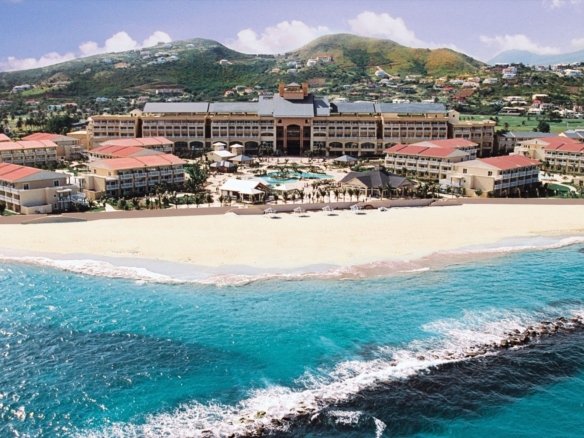
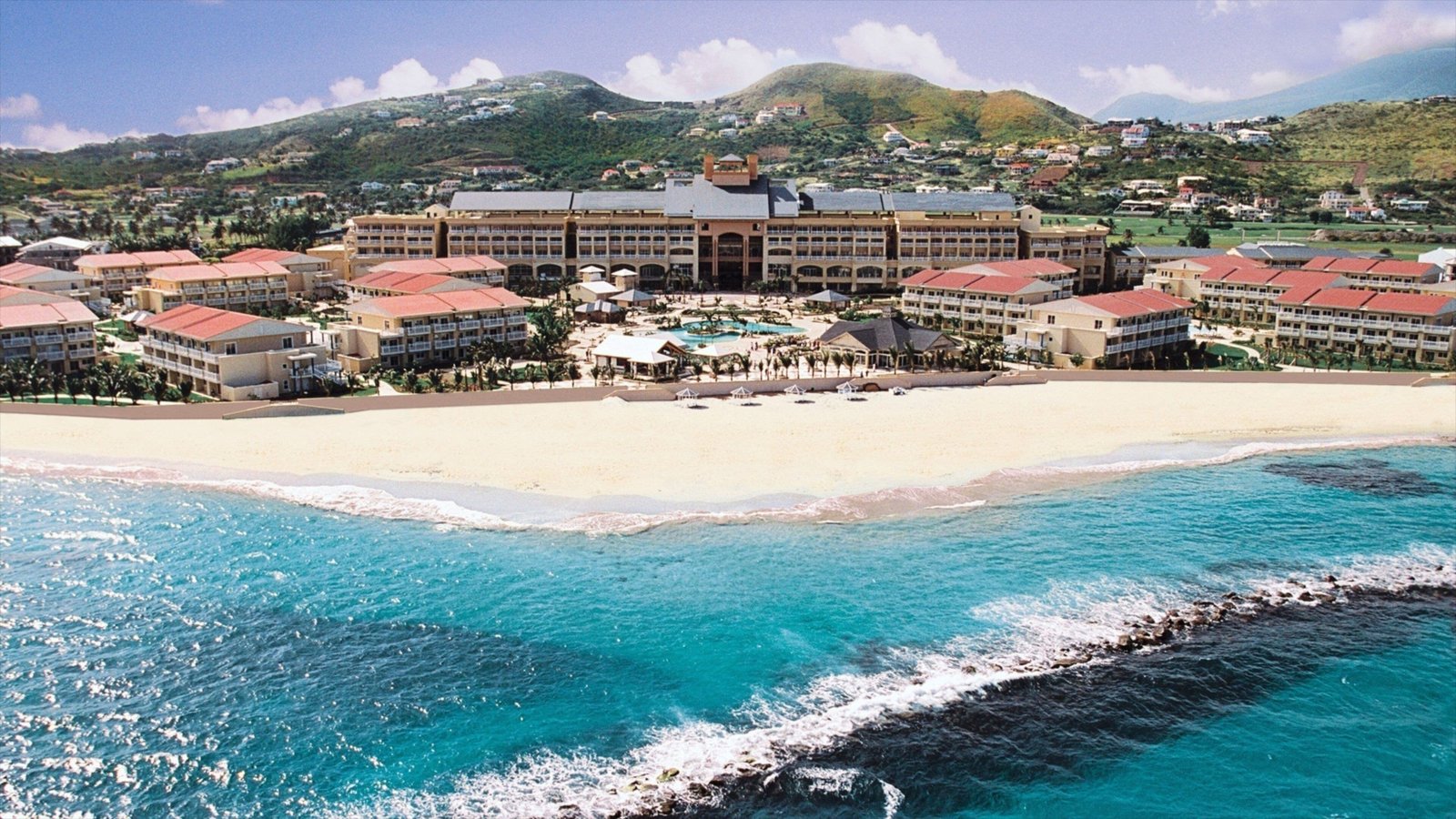
A government-approved condominium development is the most common entry point for the St Kitts real estate route. The minimum purchase price is USD 325,000, reduced from USD 400,000 in October 2024. Approved developments are listed by the Citizenship by Investment Unit (CIU) and include hotel-branded residences, resort units, and standalone condominium blocks in areas such as Frigate Bay, Half Moon Bay, and Christophe Harbour. Only properties within CIU-approved projects qualify. Purchasing outside an approved project requires applying for an alien landholding licence and does not automatically qualify the buyer for the citizenship programme.
Single-Family Private Dwellings from $600,000
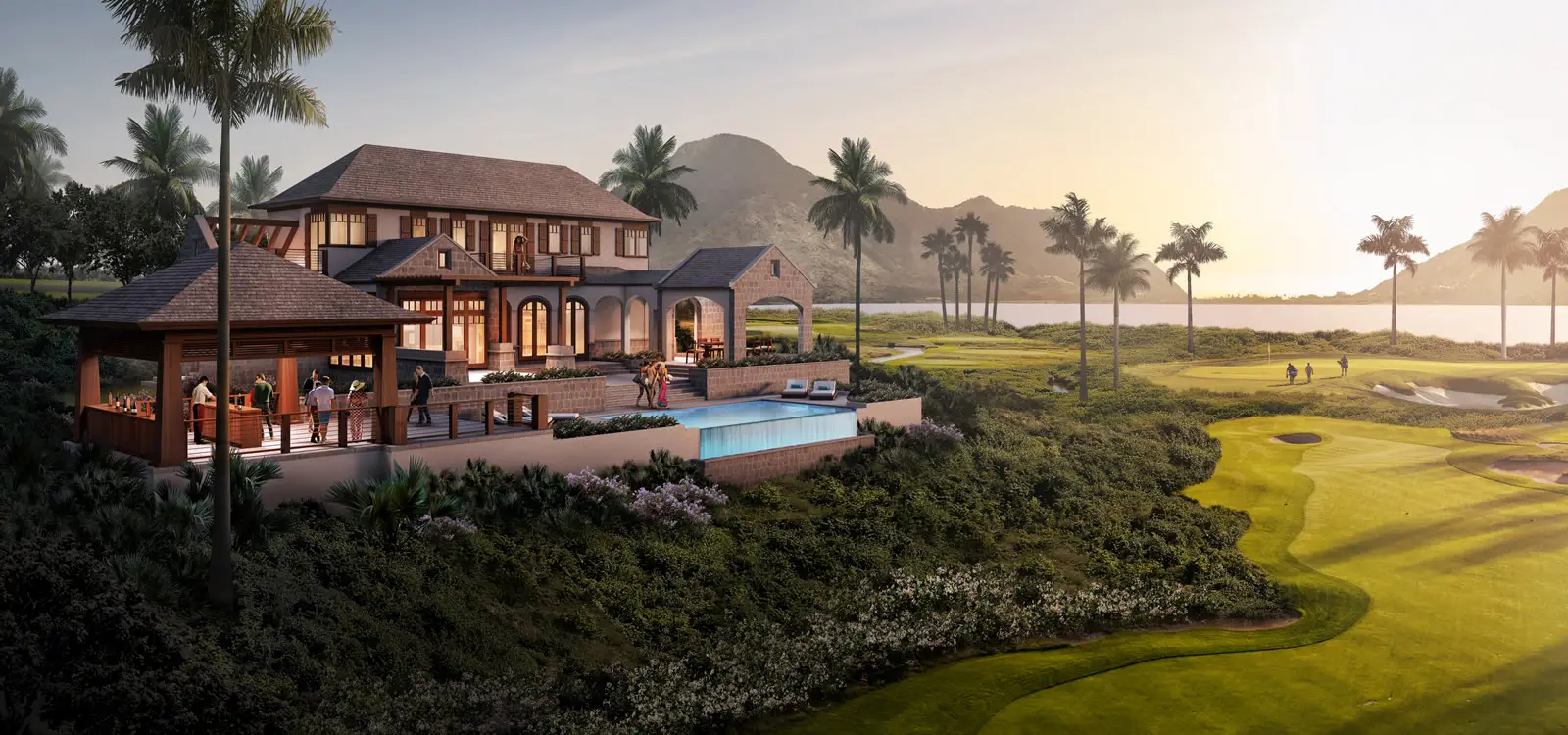
An investor who prefers a standalone private residence rather than a development unit must meet the higher threshold of USD 600,000. This applies to single-family homes, villas, and similar standalone structures. The purchase must still involve a government-approved property or be accompanied by an alien landholding licence if the property is outside Frigate Bay. The $600,000 threshold reflects the higher capital commitment involved in a private dwelling and the reduced due diligence infrastructure compared to institutional CBI development projects.
Hotel and Resort Units
Several approved CBI developments in St Kitts and Nevis are branded hotel or resort projects. Purchasing a unit within these projects qualifies under the condominium threshold ($325,000) and typically includes a leaseback arrangement under which the hotel operator manages the unit and distributes a share of rental income to the owner. Hotel units offer the clearest path to passive rental return during the seven-year holding period, with yields reported at 2 to 4 percent per year depending on the operator and occupancy rates.
Alien Landholding Licence
When a Licence Is Required
Non-nationals acquiring property in St Kitts and Nevis outside of a government-approved CBI development are required to obtain an alien landholding licence before completing the purchase. The licence is issued by the government and confirms that the foreign buyer has met the administrative requirements for property ownership on the islands. The application requires proof of identity, source of funds, a police clearance certificate, and a description of the intended use of the property. Processing typically takes two to four months from complete submission.
The Frigate Bay Exception
Properties located within the Frigate Bay area are exempt from the alien landholding licence requirement. Frigate Bay is a designated tourism and residential zone on the southeastern peninsula of St Kitts and includes the majority of established condominium developments and hotel properties. Investors purchasing within Frigate Bay can complete the transaction without the licence, subject to the property meeting CIU approval requirements for the citizenship route. Most institutional CBI developments are located within or adjacent to the Frigate Bay zone, making the licence requirement less common for programme applicants.
Acquisition Process and Timeline
The alien landholding licence application is submitted to the Ministry of Finance and Sustainable Development. Legal representation from a St Kitts-qualified attorney is required for the application. Fees payable to the government are based on the purchase price of the property and typically range from 10 to 12 percent of the land value component of the transaction. These fees are separate from legal fees, escrow charges, and stamp duty. The citizenship application can proceed in parallel with the licence process, but approval of both is required before the Certificate of Registration is issued.
The Seven-Year Holding Period
Lock-in Conditions
Investors who acquire St Kitts real estate under the citizenship programme must hold the qualifying property for a minimum of seven years before selling. The holding period is measured from the date of registration of the property in the investor’s name. The seven-year rule is a condition of the citizenship programme, not of the property title itself. Selling before seven years does not trigger automatic revocation of the citizenship already granted, but the seller cannot use the property proceeds to re-qualify under the real estate route for any other CBI programme application.
Rental Income During the Hold
There is no restriction on renting out the qualifying property during the seven-year holding period. Hotel and resort unit owners typically participate in the development’s leaseback or rental pool programme, which provides access to professional management and occupancy networks. Independently owned residential units can be rented on short or long-term bases. All rental income generated on the islands is free of income tax under St Kitts and Nevis law. There is no capital gains tax, inheritance tax, or wealth tax on the islands, making the holding period a straightforward carry from a tax perspective.
Resale Rules After Seven Years
After the seven-year holding period, investors who acquired St Kitts real estate under the programme may sell the qualifying property without restriction. The proceeds are not subject to capital gains tax in St Kitts and Nevis. A non-citizen buyer of the same property can use it to qualify for the citizenship programme again, provided the property remains on the CIU approved list and the sale price meets the current minimum threshold at the time of the new application. If the approved list or threshold has changed, the new buyer must meet the current requirements rather than those at the time of the original purchase.
Transaction Costs and Annual Charges
Acquisition Costs
The principal acquisition costs for St Kitts real estate are legal fees, escrow agent fees, and stamp duty. Legal fees for a standard CBI property transaction are typically 1 to 2 percent of the purchase price. Escrow agent fees run at approximately 1 percent. Stamp duty on the transfer of real property is payable by the buyer at 2 percent for properties valued below approximately XCD 250,000 and higher for properties above that threshold. For a USD 325,000 condominium, total acquisition transaction costs exclusive of the alien landholding licence are typically 4 to 6 percent of the purchase price.
Annual Property Tax
Annual property tax in St Kitts and Nevis is levied at 0.2 percent of the assessed value for residential property and 0.3 percent for commercial property. The assessed value is set by the government and is generally below market value for tourism-zone properties. For a USD 325,000 residential unit, annual property tax at 0.2 percent on a government-assessed value of, for example, USD 280,000 would represent approximately USD 560 per year. This is a materially low carrying cost compared to investment property in the UAE or most European jurisdictions.
Rental Yield Expectations
Rental yields on St Kitts real estate vary by property type and location. Hotel and resort units in managed leaseback programmes generate reported yields of 2 to 4 percent per year, dependent on occupancy rates and the operator’s management fee structure. Residential units near the college, the cruise port, and Frigate Bay’s tourism corridor yield 4 to 5 percent when rented to long-stay tenants or short-term visitors. These are gross figures before management fees. Net yields after management and maintenance typically run 1.5 to 3 percent. Investors seeking higher absolute returns should model yields on a net basis when comparing the St Kitts real estate route against the SISC contribution option.
How UAE and India-Based Investors Structure the Purchase
No Bank Account Required
Investors are not required to open a bank account in St Kitts and Nevis in order to purchase a qualifying property. Funds are transferred directly to an escrow account held by the escrow agent appointed for the transaction. The escrow agent, typically a local law firm or financial services company, holds the funds until citizenship approval is confirmed and the property transfer is completed. For UAE-based investors making remittances in USD, the transaction structure is straightforward, as the Eastern Caribbean Dollar is fixed to the USD at a rate of XCD 2.70 to USD 1.00.
Source of Funds Documentation
The CIU requires all applicants to demonstrate a lawful source of funds for the qualifying investment. For UAE-based investors, acceptable documentation typically includes UAE bank statements covering a minimum of six months, a letter of explanation from the applicant’s UAE bank or financial institution, audited financial statements for business owners, and employment income documentation for salaried applicants. Indian nationals remitting funds from India must comply with the Reserve Bank of India’s Liberalised Remittance Scheme (LRS), which currently permits remittances of up to USD 250,000 per financial year per individual. Larger investments require multiple remittance cycles or structuring through an eligible intermediary.
Integration with UAE Golden Visa
UAE-based investors can pursue the St Kitts real estate route in parallel with a UAE Golden Visa position. The UAE Golden Visa requires a minimum property investment of AED 2 million in Dubai or qualifying UAE emirates. An investor who holds a UAE property position above AED 2 million and separately acquires a qualifying St Kitts property at USD 325,000 runs both programmes concurrently, resulting in UAE long-term residency and Kittitian citizenship from two separate qualifying investments. The two positions are legally independent. UAE residency is not affected by the acquisition of St Kitts citizenship, and the St Kitts citizenship application does not require disclosure of UAE residency to the CIU beyond standard background documentation.
For a full overview of the St Kitts and Nevis programme including SISC costs, eligible family members, restricted nationalities, and passport access, see the Helis guide to St Kitts citizenship. For investors comparing the Caribbean route against European residency programmes, the Helis golden visa programmes hub covers all active options with cost and mobility comparisons.