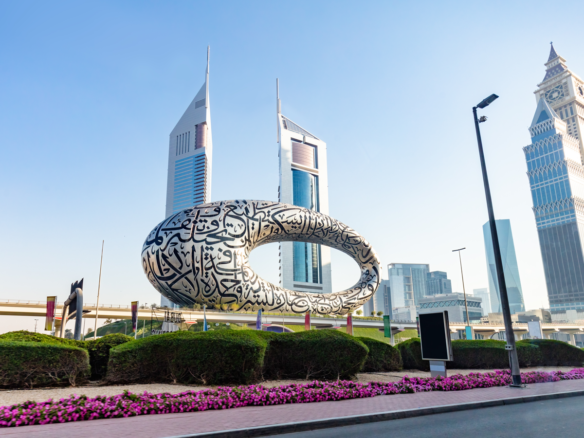
Dubai Golden Visa property qualification converts a real estate acquisition into a 10-year renewable UAE residency permit — but the threshold is only the first decision. Which corridor, which asset class, and which purchase structure to choose are the key decisions. How to sequence the Golden Visa application relative to financing and handover determines whether a qualifying investment also performs as one. This guide covers the Dubai Golden Visa property selection layer. It maps where the AED 2 million threshold sits within each zone’s price band and how ready versus off-plan purchases affect GV approval timelines. The final section addresses portfolio structuring for investors deploying above the threshold.
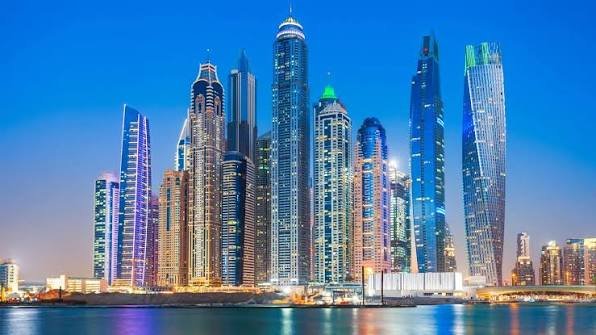
Dubai Freehold Zones — Where GV-Eligible Properties Are Issued
The starting point for any Dubai Golden Visa property acquisition is zone eligibility, not price. The Dubai Land Department issues title deeds — the foundational document for a Golden Visa application — only on freehold properties. Investors should confirm that the ownership structure produces the DLD documentation required for Golden Visa processing before committing to a purchase. Properties that do not generate a DLD title deed will not support a Golden Visa application regardless of value.
The Freehold vs Leasehold Distinction for GV Purposes
Dubai operates two parallel land tenure systems. Freehold title gives the buyer permanent ownership of the unit and its proportional share of the land — transferable, mortgageable, and eligible for DLD registration. Leasehold title gives the buyer the right to occupy for a fixed term, typically 99 years, with ownership remaining with the developer or a UAE national. Confirming the title structure and the DLD registration documentation it produces is a prerequisite before any purchase commitment.
The complication arises because not every development in a designated freehold zone necessarily carries freehold title — tenure can vary by tower, plot, or sub-community within the same area. An address may be well-known and the price may exceed AED 2 million, but the ownership structure and corresponding DLD documentation must be confirmed before any SPA is signed. Investors should verify tenure type directly with the developer and with a UAE-licensed legal adviser before proceeding.
Freehold Zones: Where GV-Qualifying Properties Are Concentrated
Dubai’s designated freehold zones cover the majority of the city’s investor-grade residential supply. The primary freehold corridors account for the overwhelming majority of transactions where the AED 2 million threshold is relevant. These include Downtown Dubai, Business Bay, Dubai Marina, JBR, JVC, Palm Jumeirah, Dubai Hills Estate, DIFC, Dubai Creek Harbour, and Meydan. Abu Dhabi, Sharjah and the Northern Emirates operate separate freehold zone frameworks under different processing authorities. Investors purchasing outside Dubai should confirm zone eligibility with the relevant emirate authority before proceeding.
What AED 2 Million Buys Across Key Dubai Corridors
The AED 2 million threshold is a qualification floor, not a fixed purchase price. What that figure delivers in terms of unit size, location quality, and investment return varies significantly by corridor. Understanding where the threshold sits within each zone’s price band determines both which communities are realistic entry points and what the investment case looks like beyond the residency permit.
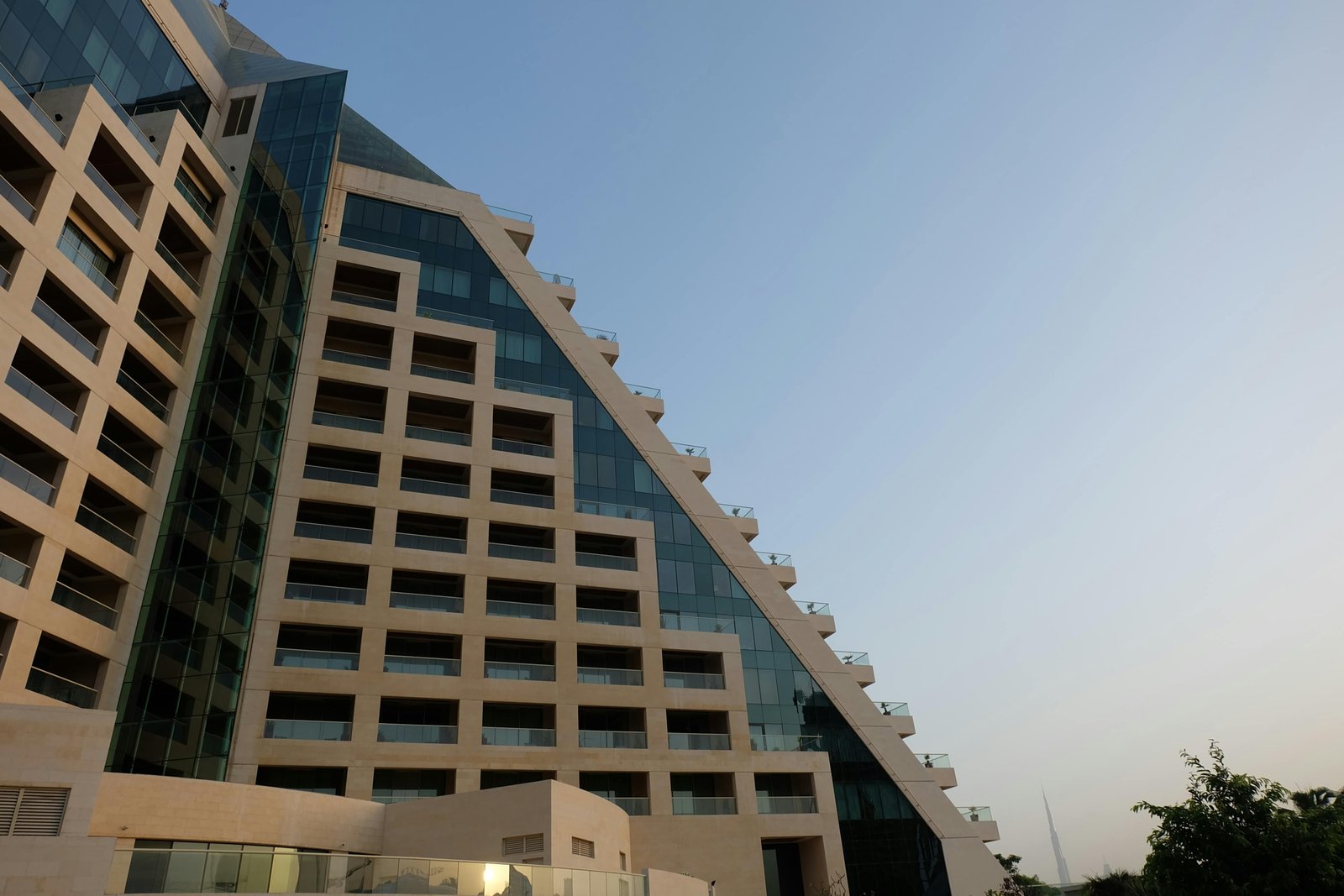
Business Bay — The Yield-GV Crossover Zone
Business Bay is the corridor where the Golden Visa threshold most consistently intersects with genuine investment performance. Indicative 2025–2026 transaction ranges in Business Bay run AED 1,800 to AED 2,400 per square foot across most of the zone. At these levels, AED 2 million delivers a one-bedroom of 900–1,100 sq ft or a two-bedroom in the 800–950 sq ft range depending on the development.
Market-observed gross rental yields on completed Business Bay units have historically run in the 6.5% to 8.5% range for one-bedrooms and 5.5% to 7.5% for two-bedrooms. These figures vary by building quality, occupancy, and financing assumptions, but represent among the stronger yield profiles at the GV threshold across central Dubai corridors. The buyer pool for Business Bay at this price point includes both end-users and investors, which supports exit liquidity. For investors seeking a GV-qualifying property that generates income from day one on a ready asset, Business Bay is the most defensible starting point in terms of risk-adjusted return.
Dubai Marina and JBR — Established Premium Mid-Market
Dubai Marina and Jumeirah Beach Residence trade at AED 2,000 to AED 3,200 per square foot depending on the tower, floor, and view. At AED 2 million, the realistic entry is a one-bedroom of 700–900 sq ft in a mid-tier Marina tower, or a studio in a premium JBR address. The corridor’s established rental demand from the professional and hospitality workforce has supported indicative gross yields of 6% to 8% on one-bedrooms. Returns vary by building age and specification, but tenancy continuity is generally strong. The secondary market in Marina is the most liquid in Dubai for sub-AED 3 million residential — transaction volume runs in the hundreds of units per month. Investors who prioritise exit certainty over entry yield will find Marina the more reliable asset at the GV threshold.
JVC and Dubai Hills — Mid-Market at Threshold
Jumeirah Village Circle and Dubai Hills Estate represent the strongest size-for-money proposition at the GV threshold. JVC has shown representative 2025–2026 transaction ranges of AED 900 to AED 1,400 per square foot. At these levels, AED 2 million delivers a two-bedroom of 1,400–2,000 sq ft or a three-bedroom townhouse in some sub-communities. Dubai Hills Estate has run slightly higher at indicative ranges of AED 1,200 to AED 1,700 per square foot for apartments. Villas and townhouses in the community have run AED 1,500 to AED 2,500. The indicative yield profile is lower than Business Bay, with market-observed gross yields of 5.5% to 7% for JVC apartments. The tenancy profile is more family-oriented and long-term, which lowers vacancy. Both corridors have seen significant capital appreciation since 2021 and continue to attract end-user demand. For investors who want to maximise unit size while meeting the GV threshold, these are the primary options.
Downtown Dubai and DIFC — Above Threshold, Different Investment Case
Downtown Dubai and DIFC have traded at representative 2025–2026 ranges of AED 2,800 to AED 5,000 per square foot for most residential supply, which puts AED 2 million at studio or sub-700 sq ft one-bedroom level in most buildings. These assets qualify for the Golden Visa, as the DLD-certified value is what matters rather than size. The investment case here is driven by capital appreciation and address prestige rather than yield. Indicative gross yields on Downtown studios and one-bedrooms have historically run 4.5% to 6%, lower than mid-market corridors, though actual returns depend on unit specification and management approach. The relevant investor for a Downtown GV acquisition is typically one deploying AED 3 million or more, where a genuine one-bedroom with views enters the addressable supply. At exactly AED 2 million, Downtown qualifies but the unit delivered is limited.
Ready Property vs Off-Plan — How Purchase Timing Affects GV Approval
The timing of GV approval relative to property purchase depends entirely on the purchase route. Ready properties and off-plan properties follow materially different sequences, and the difference can be 12 to 36 months in GV approval timing depending on the development and completion schedule.
Title Deed Route: GV Filing Available Immediately at DLD Registration
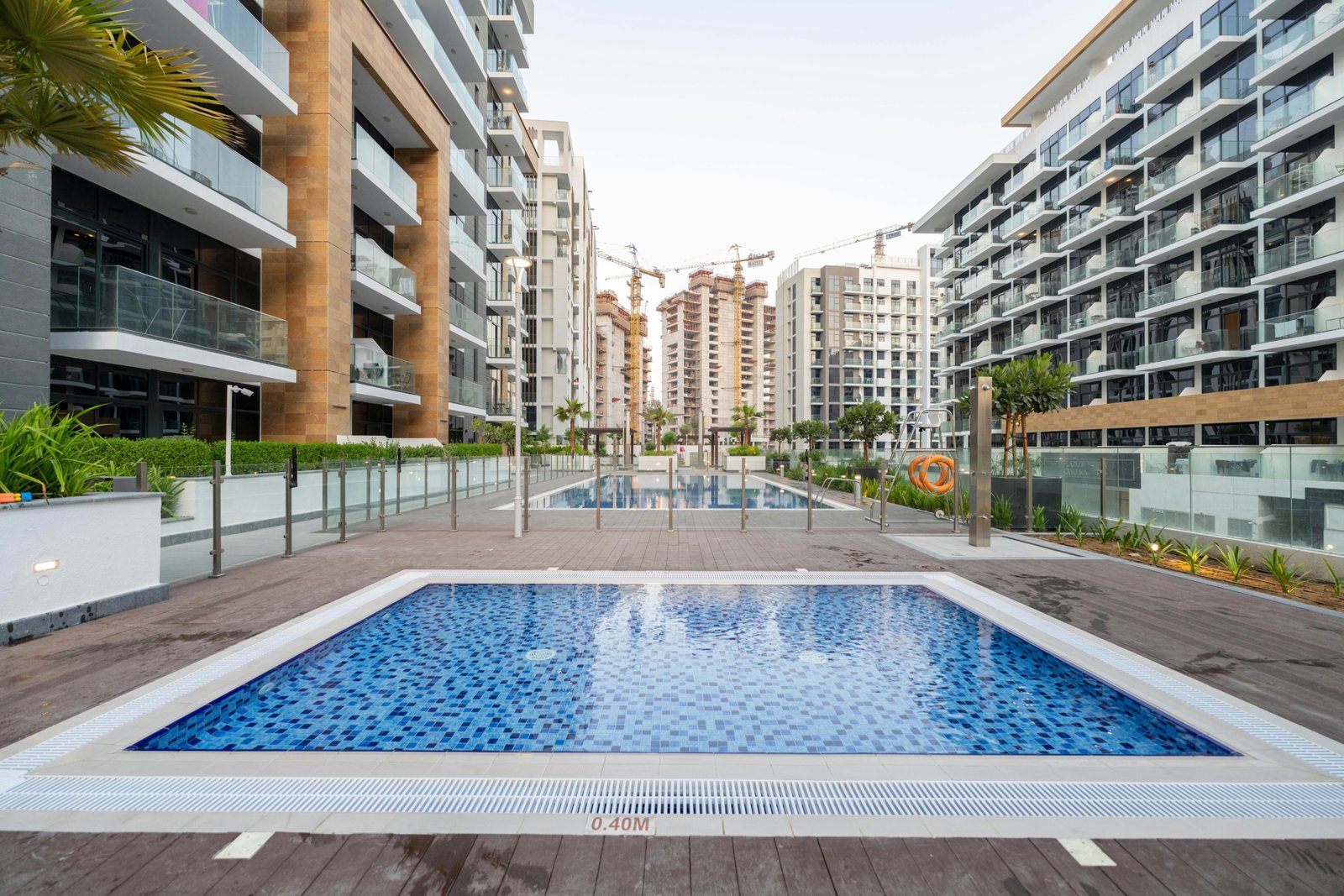
A ready property — any completed residential or commercial unit in a freehold zone — generates a DLD title deed at the point of transfer registration. That title deed is the document on which the GDRFA Golden Visa application is built. Once the title deed is issued, the investor can initiate the GV application process immediately, with no waiting period tied to construction timelines. For investors who need residency within a defined window, the ready property route is the only route that offers a predictable approval timeline. This applies to time-sensitive requirements such as banking setup, Emirates ID, school enrolment, or tax positioning.
Off-Plan via Oqood: The Golden Visa Clock Starts at Completion
Off-plan properties are registered with RERA at the point of SPA signing via an Oqood registration — an interim ownership record that does not constitute a DLD title deed. The investor holds an Oqood certificate confirming the purchase. Eligibility for GV application at this stage depends on the prevailing GDRFA and DLD framework and the stage of project completion. Investors should confirm current processing requirements with GDRFA before assuming a specific timeline. The GV application can only be initiated once the developer completes the unit, hands over the keys, and the title deed is issued by DLD. Handover timelines can extend 12 to 36 months beyond scheduled completion dates in this market. Off-plan buyers must factor this uncertainty into any residency planning that has a fixed timeline requirement.
Selecting Developers by Oqood Track Record
Not all off-plan developers carry the same completion and title transfer track record. Emaar, Nakheel, Meraas and Aldar carry generally stronger delivery track records and more established Oqood-to-title transfer processes than most mid-tier developers in the market. Mid-tier and newer developers carry more variable track records. Delays of 18 to 24 months beyond stated handover are not uncommon in the sub-AED 2 million off-plan segment. This is where developers face the most capital pressure and carry the least reputational cost from delay. For investors whose GV timeline has any urgency, off-plan selection should start with developer track record, not price per square foot. A ready unit in a mid-tier corridor is almost always preferable to an off-plan unit in a premium corridor if GV approval timing is a constraint.
Mortgage, Joint Ownership and Structuring Considerations
Joint Acquisitions — When Each Partner Can Qualify Separately
A joint acquisition between two buyers does not automatically qualify both for the Golden Visa. The DLD registers the ownership share held by each party, and the GV qualification assessment is applied to each individual share separately. If two investors purchase a AED 4 million unit 50/50, each holds a AED 2 million registered share and each qualifies independently. This applies provided each share is in their sole name and meets the threshold on a standalone basis. If the same unit is purchased with one investor holding 30% and another 70%, only the investor with a AED 2.8 million share qualifies. The 30% share, worth AED 1.2 million, does not qualify regardless of the total property value. Structuring joint acquisitions requires explicit planning around the GV threshold before the SPA is signed, not after.
NRI Buyers: Remittance Structure and Sole Title
For Indian nationals purchasing under the Liberalised Remittance Scheme, the AED 2 million threshold (approximately USD 545,000 at current rates) falls within the USD 250,000 annual LRS limit for a single financial year only if a spouse or family member co-remits under their own LRS allocation. A purchase requiring remittance beyond the annual LRS ceiling may require alternative funding structures. Investors should seek professional advice regarding RBI compliance and the appropriate remittance framework for their specific position before committing capital. The GV application requires the property to be in the applicant’s sole name. Joint purchases with a spouse or family member held under LRS may qualify both parties individually. This applies only if each holds a separately registered share meeting the AED 2 million threshold. NRI investors planning a GV acquisition should resolve the remittance and title structure before engaging with a developer or signing any booking form.
Yield, Appreciation and Exit — Building the Full Investment Case
Gross Rental Yield by Zone for GV-Threshold Properties
Yield at the AED 2 million threshold varies by roughly 3 to 4 percentage points across Dubai’s primary freehold corridors. Business Bay and JVC consistently deliver the strongest gross yields at this price point — 6.5% to 8.5% and 6% to 7.5% respectively. The tenant pool at mid-market rents is broad and vacancy is generally low.
Downtown Dubai and Palm Jumeirah yield 4.5% to 6% at the same capital deployment, because the premium address premium is baked into the purchase price without a proportional rent premium. Marina and JBR sit in the middle — 6% to 8% — with the added benefit of the highest tenant turnover velocity, which allows for more frequent rent resets. For investors whose primary objective is income, Business Bay and JVC are the strongest performers at AED 2 million. For investors whose primary objective is capital appreciation, Downtown and Palm have delivered stronger long-term growth, particularly for branded residences and landmark addresses.
Exit Liquidity at the GV Threshold
Exit liquidity — the ability to sell the property at a reasonable price within a reasonable timeframe — is a material risk factor for GV property that is often underweighted in initial acquisition decisions. The GV is tied to the qualifying property. If the investor sells before the visa renewal date without replacing the asset, this may affect eligibility at renewal. This means the holding period is at minimum the GV duration (10 years) unless the investor intends to replace the asset.
Over a 10-year holding period, the most important exit consideration is the depth of the buyer pool at the disposal price. Marina and Business Bay have the highest transaction velocity for units in the AED 2 million to AED 3 million range — hundreds of transactions per month in each corridor. Downtown has fewer buyers at that price point relative to inventory. Palm and DIFC have the thinnest buyer pools at the AED 2 million entry level. For investors who value optionality at GV renewal, corridor liquidity should be weighted alongside yield in the initial selection decision. The ability to exit or swap assets without losing residency eligibility is a material factor.
Single Asset vs Portfolio Approach at AED 2M+
Investors deploying AED 4 million or more face a structural choice: one larger asset or two GV-qualifying properties. A single AED 4 million asset in Downtown or Palm delivers a better address, a more premium rental profile, and simpler management. Two AED 2 million assets — one in Business Bay, one in JVC, for example — deliver two independent GV qualifications if structured with separate titleholders. The blended yield typically outperforms a single premium asset at the same capital level, and the portfolio gains diversification across tenant demand types. The right structure depends on whether one GV or two is the objective, how the ownership is split, and whether active rental management is feasible across two assets. Both approaches are valid; the decision requires clarity on the residency objective before the capital is committed.
Mortgage-Financed Golden Visa Property — How Financing Affects Zone and Unit Selection
The Dubai Golden Visa property threshold is applied to the DLD-certified market value of the asset — not the outstanding mortgage balance and not the equity the buyer holds. A property registered at AED 3 million on the DLD title deed qualifies for the Golden Visa whether it is owned outright or carries a AED 2 million mortgage. This is the principle that makes financed acquisition viable for GV purposes: the financing structure affects what the investor can afford to buy, not whether a qualifying asset qualifies. Investors using mortgage finance alongside a Golden Visa or citizenship programme to build a multi-strategy position will find the integrated framework examined in how a mortgage strengthens a citizenship-by-investment plan.
How UAE Bank LTV Caps Translate Across Corridors
What the mortgage does affect is which properties remain accessible as acquisition candidates, given UAE bank lending parameters. UAE banks apply a maximum LTV of 60% for non-resident buyers at first purchase. This means a AED 2 million property requires AED 800,000 in cash equity with a AED 1.2 million mortgage. For UAE residents at the time of purchase, the limit increases to 75% on first property, reducing the equity requirement on a AED 2 million asset to AED 500,000. These parameters are subject to lender policy and individual underwriting — investors should confirm current LTV ceilings with their intended lender before planning the equity position.
The practical effect on corridor selection is material. At 60% non-resident LTV, Business Bay two-bedrooms and JVC units at AED 2 million to AED 2.5 million remain accessible with an AED 800,000 to AED 1 million equity position. This falls within the typical liquidity range of HNW investors targeting this market. Downtown and Palm at the same deployment level require the same equity in absolute terms but deliver a smaller or lower-specification unit, which affects the rental income case. Investors financing at 60% LTV generally find the mid-market corridors — Business Bay, Marina, JVC — offer the strongest combination of GV qualification and yield. The equity requirement at the AED 2 million to AED 2.5 million deployment level is also the most accessible for most HNW buyers.
Off-Plan Payment Plans and GV Timing
For off-plan purchases structured through a developer payment plan rather than a bank mortgage, the financing arrangement does not affect GV qualification timing. The GV application requires the DLD title deed, which issues at handover regardless of how the purchase is financed. A 50/50 construction-linked payment plan and a 100% cash purchase both produce the same GV timeline — both are subject to the handover date and DLD registration at completion. The payment structure affects cash flow, not the visa clock.
For investors who want to combine bank financing with an off-plan purchase, some UAE banks offer construction-period lending on selected developers. In these cases, the mortgage drawdown registers on the DLD system prior to handover, but the title deed and GV application remain sequenced to physical completion. The mortgage does not accelerate GV eligibility. Investors should also be aware that lender appetite for off-plan mortgage products varies significantly by developer and development. Not all off-plan projects are accepted as mortgage collateral by all lenders, and pre-approval on an off-plan basis is not always transferable if the unit is changed or delayed.
Sequencing Mortgage Approval with the GV Application
For ready property acquisitions, completing a mortgage pre-approval before identifying a specific unit compresses the timeline between property selection and GV application significantly. Mortgage approval from a UAE bank for non-residents typically takes three to six weeks from full application submission. DLD transfer for a ready property can be completed within days of SPA execution. The GDRFA application can be initiated as soon as the title deed is issued at DLD transfer. Sequencing mortgage approval ahead of the property search compresses the overall timeline significantly. From property identification to live GV application, the timeline can run four to eight weeks on a ready asset in a primary freehold corridor. This makes financed acquisition of ready properties the fastest route to GV approval for investors who require external financing.
Helis provides integrated advisory across all stages of the Dubai Golden Visa property route. This covers zone selection, purchase structure, developer assessment, financing coordination, and GV application management through to GDRFA submission and renewal. For a broader view of active residency-by-investment programmes across jurisdictions, see our golden visa programmes guide. Investors who have completed the property acquisition and wish to activate their UAE residency will find the post-approval transition — Emirates ID, banking, school registration, and healthcare — covered in our guide to relocating to Dubai after a Golden Visa.